

When you think of the modern American road, you probably imagine a confident SUV gliding across long highways or weaving through city lights with quiet authority. That’s exactly why the newest wave of luxury SUVs feels so exciting. They’re not just high-end vehicles anymore. They’re lifestyle anchors for families, commuters, adventure seekers, and people who simply love a comfortable drive.
In this review, we’re breaking down how two giants stack up: the Porsche Cayenne 2026 and the BMW X5 2026. Both are premium midsize SUV favorites, both push performance and technology, and both claim a seat at the top. But which one feels like the best luxury SUV for Americans who want power with personality? Let’s get into it and see how their stories shape up.
Before we get into the finer pieces, let’s set the scene. The Porsche Cayenne 2026 and BMW X5 2026 belong to a category that’s become almost emotional for buyers. People don’t just want features anymore.
They want confidence, smoothness, and that feeling of “Yeah, this car gets me.” This section lays out the broad view before we slide into more detailed impressions.
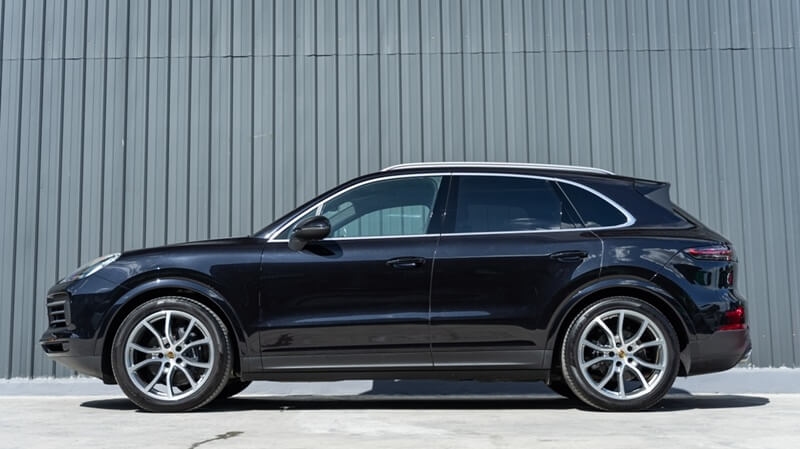
The Porsche Cayenne 2026 brings an athletic stance, quick reactions, and a feeling that its purpose is tied closely to porsche and bmw performance heritage.
You know what? Luxury SUVs keep expanding because drivers want an all-rounder that doesn’t compromise. Spacious yet stylish. Fast yet safe. High-tech yet calming.
Also read: Porsche Panamera vs Mercedes E-Class Sedan Comparison
This is where preferences start forming quickly. Even before you drive them, these two SUVs speak loudly through their looks.
The Porsche Cayenne 2026 has curves that almost hint at sports-car DNA. From the LED matrix headlights to the wider stance, it feels sculpted with intention.
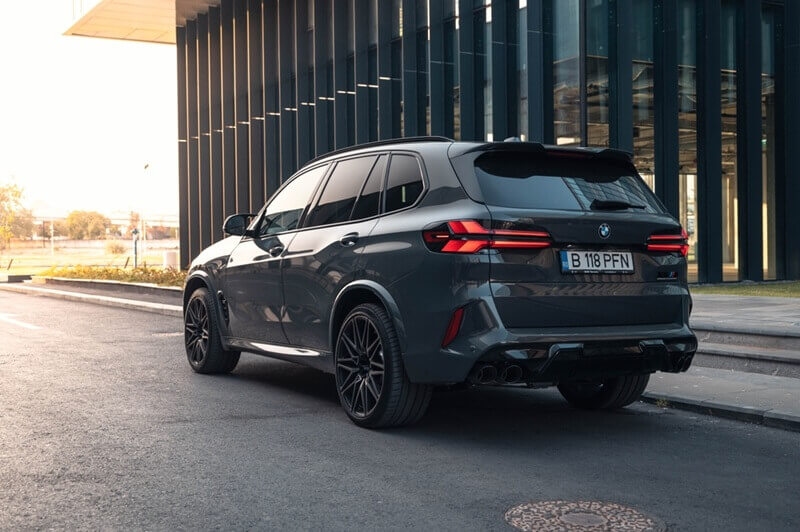
The BMW X5 2026, meanwhile, arrives with confident edges and a bold kidney grille that BMW fans recognize instantly.
Inside, both instruments create very different moods.
The Cayenne interior looks clean, button-light, and driver-centric. It feels like Porsche wants you to focus on every move the car makes.
The X5 goes in the opposite direction. More softness. More airy design. More lounge-like comfort. It’s the kind of cabin where a long road trip actually feels relaxing.
Performance is where Porsche and BMW performance stories become truly alive. Both automakers take pride in engineering vehicles that respond well, handle tightly, and accelerate without hesitation. But they don’t do it in the same style.
The Porsche Cayenne 2026 offers strong turbo V6 and hybrid setups, each engineered with precision. On turns, it feels quick, almost eager. It’s one of those SUVs that makes you forget it’s an SUV.
The BMW X5 2026 brings smoother acceleration and stable handling. It may not leap the way the Cayenne does, but its steering feels predictable and deeply composed.
Here’s the thing. Most people aren’t flooring their SUVs every morning. So what matters is how forgiving the ride feels during commutes.
The Cayenne leans firmer, especially on sporty setups. The X5 brings a gentler suspension that eats bumps more easily. It’s not soft, but it’s less intense.
Don't miss: 2025 Porsche Macan vs BMW X3: Luxury, Power & Tech Clash
Technology can make or break the luxury experience. You can build all the horsepower you want, but if the cabin feels confusing or outdated, people notice.
Porsche fills the Cayenne 2026 with a wide digital dashboard, a responsive center display, and an optional passenger screen. The menus feel clean, but they still want the driver’s attention.
BMW, on the other hand, uses its curved display that stretches elegantly across the dashboard. It’s bright, fast, and loaded with helpful gestures, voice commands, and shortcuts.
Sometimes comfort comes from the little things: ventilated seats that cool fast, head-up displays that don’t distract, and wireless chargers that don’t overheat your phone.
Both SUVs deliver these essentials, though the X5 leans more toward practical convenience. The Cayenne tends to speak more to enthusiasts who appreciate refined details.
Let us explain. Even the most performance-focused buyer eventually asks the same question: “Will this fit real life?” Both these SUVs aim to do that without losing edge.
The BMW X5 2026 often feels roomier thanks to its airy cabin design. Taller passengers in the back may prefer it. The Porsche Cayenne 2026 keeps things supportive and firm, offering great seat structure but slightly less openness.
When it comes to loading up for Costco runs, soccer games, or weekend getaways, the X5 edges ahead with more usable trunk room. The Cayenne still offers solid capacity, just shaped a bit differently because of its sportier rear profile.
Read more: 2025 Porsche 911 Carrera or Turbo S: Which One Truly Wins
Hybrid systems have become central in the premium midsize SUV category. Both models offer them, but with different personalities.
The Cayenne’s hybrid feels stronger during acceleration, giving you that satisfying push without needing full fuel power. The X5 hybrid focuses more on smooth transitions and efficiency, great for city drivers who want electric-only mode more often.
Fuel savings depend on your driving habits, weather, and how often you plug in. But generally, the BMW’s hybrid setup tends to save more energy across mixed driving.
Here’s where practicality meets emotion. Price tags on luxury SUVs can climb quickly. So value becomes about more than numbers; it becomes about what feels worthwhile.
Resale values matter too. Cayennes usually hold value strongly because of their performance identity. X5 models hold well, too, but Porsche tends to edge ahead in the long game.
If you want a lively, energetic SUV that feels athletic at every turn, the Cayenne makes sense. If you want something that glides quietly, fits the family, and nails everyday practicality, the X5 may align more with your lifestyle.
Either way, both vehicles sit confidently among the best luxury SUV choices available today.
Yes, the Cayenne leans sportier, with quicker reactions and more energetic handling than the X5.
The X5 generally provides more rear passenger room and slightly more cargo capacity.
Both excel, but BMW’s curved display and interface feel more intuitive for everyday use.
Yes. Both deliver strong savings, with the X5 leaning more efficient and the Cayenne feeling more powerful.
This content was created by AI